
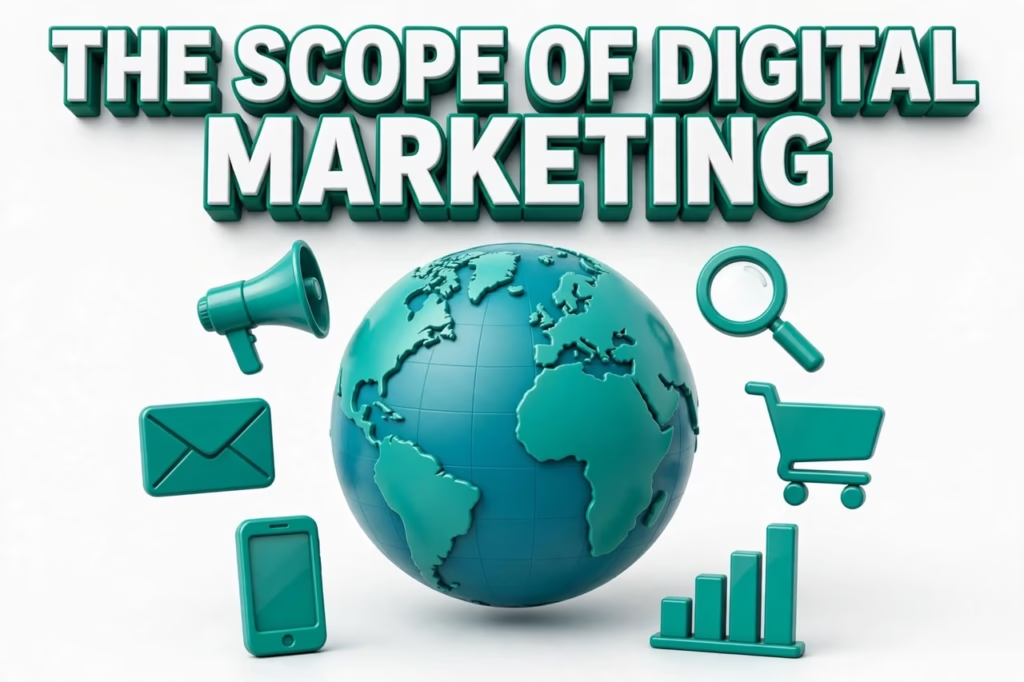
The way brands connect with people has changed forever, and understanding the scope of digital marketing has become essential for students, professionals, and business owners alike. Just a decade ago, marketing meant billboards, television commercials, and newspaper ads. Today, it means search engines, social media feeds, email inboxes, and mobile apps. This shift hasn’t just changed how marketing is done — it has completely redefined this discipline as an industry, a career path, and a business necessity.
In this blog, we will explore what digital marketing actually means, why its scope keeps expanding, the career opportunities it offers, the industries it touches, and where it’s headed in the coming years.
What Is Digital Marketing?
Digital marketing refers to the promotion of products, services, or brands using digital channels such as search engines, websites, social media, email, and mobile applications. Unlike traditional marketing, digital marketing allows businesses to target specific audiences, measure results in real time, and adjust strategies instantly. This flexibility and measurability are two of the biggest reasons the scope of digital marketing has grown so dramatically over the past two decades.
Every time someone searches for a product on Google, scrolls through Instagram, opens a promotional email, or watches a YouTube video before a movie starts, they are interacting with digital marketing. Because nearly every person with a smartphone or computer is a potential customer, this field is no longer limited to tech-savvy startups — it now extends to hospitals, schools, government bodies, non-profits, and even local shops, all of which now depend on a strong online presence to stay competitive.
Understanding the Scope of Digital Marketing
When people ask this question, they are usually wondering one of two things: how big is this field, or how good are the career prospects within it? The answer to both questions is overwhelmingly positive, and the reasons behind that optimism are worth exploring in detail.
From a business perspective, this domain includes everything from search engine optimization (SEO) and pay-per-click advertising to content marketing, social media management, emailcampaigns, influencer marketing, affiliate marketing, and marketing analytics. Each of these areas has grown into its own specialized discipline, with dedicated tools, certifications, and career tracks of its own. This diversification is one of the clearest indicators of how wide the scope of digital marketing truly is, and it shows no signs of narrowing anytime soon.
From an economic perspective, global digital ad spending continues to rise year after year, with companies shifting budgets away from traditional media and into digital channels. This continuous investment by businesses of every size — from Fortune 500 companies to neighborhood bakeries — confirms that the scope of digital marketing is not a passing trend but a permanent shift in how commerce works.
Important Elements That Define Digital Marketing’s Scope
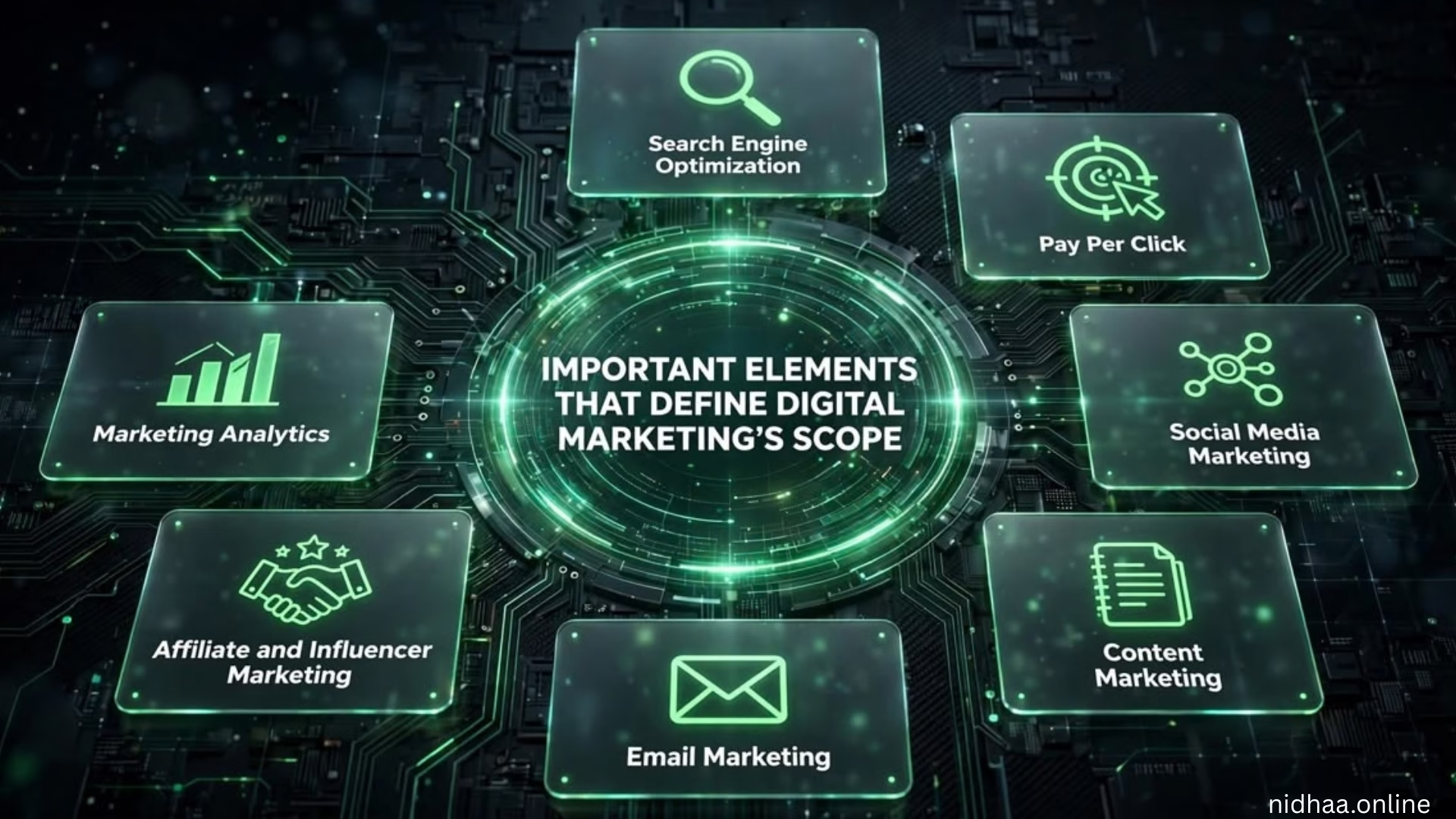
To truly appreciate how far-reaching this field has become, it helps to break it down into its major components:
- Search Engine Optimization (SEO): Improving a website’s visibility on search engines like Google to attract organic traffic.
- Pay-Per-Click Advertising (PPC): Running paid ads on platforms like Google Ads and Bing Ads to drive targeted traffic instantly
3.Social Media Marketing: Building brand presence and engagement on platforms such as Instagram, Facebook, LinkedIn, and TikTok.
4.Content Marketing: Creating valuable blog posts, videos, infographics, and guides to attract and retain an audience.
5.Email Marketing: Nurturing leads and retaining customers through personalized email campaigns.
6.Affiliate and Influencer Marketing: Partnering with individuals or other businesses to promote products to a wider audience.
7.Marketing Analytics: Using data and tools to measure campaign performance and make informed decisions.
Each of these components could be considered its own career, which is exactly why the scope of digital marketing feels almost limitless compared to more traditional marketing roles. A single business might need an SEO specialist, a social media manager, a content writer, and a data analyst — four different roles, all under the umbrella of digital marketing.
Career Opportunities Within the Scope of Digital Marketing
One of the most exciting aspects of this landscape is the sheer number of career pathsanalytical roles.
Some of the most in-demand roles include:
- SEO Specialist – optimizing websites to rank higher in search results
- Social Media Manager – planning and executing content calendars across platforms
- Content Strategist – developing long-term content plans aligned with business goals
- PPC/Performance Marketer – managing paid advertising budgets for maximum ROI
- Email Marketing Specialist – designing automated campaigns that convert
- Digital Marketing Analyst – interpreting data to guide strategy
- Digital Marketing Manager – overseeing entire digital strategies across teams
What makes these roles particularly appealing is accessibility. Unlike some traditional careers that require years of formal education, many digital marketing skills can be learned through online courses, certifications, and hands-on practice. This low barrier to entry, combined with high earning potential, is another reason the scope of digital marketing continues to attract fresh talent from every educational background — including engineers, teachers, and even artists transitioning into marketing careers.
Industries That Rely on the Scope of Digital Marketing
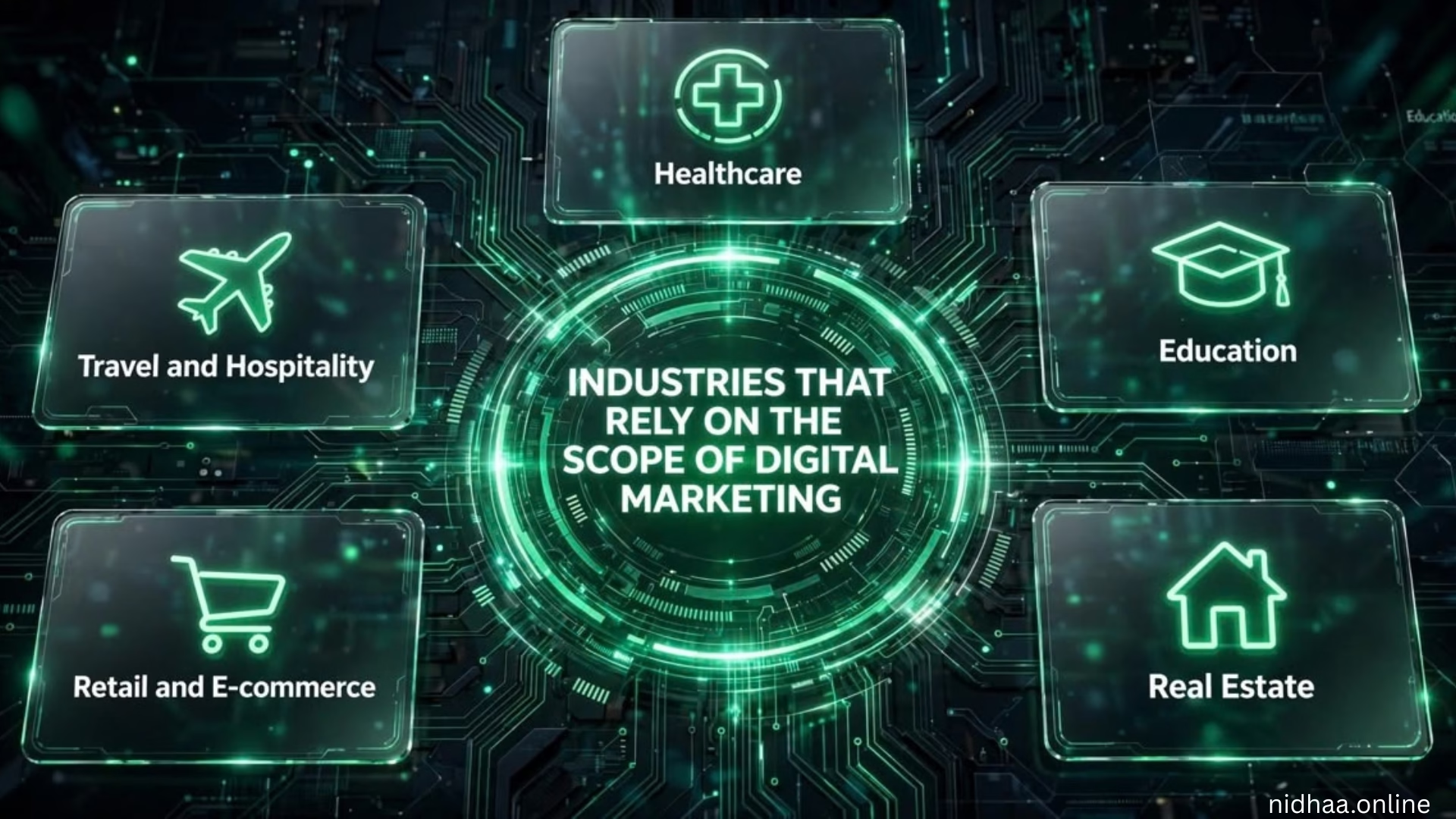
It’s a common misconception that digital marketing is only relevant to e-commerce or tech companies. In reality, it spans virtually every industry imaginable:
- Healthcare: Hospitals and clinics use content marketing and local SEO to reach patients searching for services online.
- Education: Universities and online course providers rely heavily on social media and email marketing to attract students.
- Real Estate: Agents use targeted ads and virtual tours shared through digital channels to sell properties faster.
- Retail and E-commerce: Perhaps the most obvious beneficiary, using nearly every digital marketing tool available.
- available to newcomers and experienced professionals alike, spanning creative, technical, and Finance: Banks and fintech startups use digital campaigns to build trust and simplify complex financial products.
- Travel and Hospitality: Hotels and airlines use influencer marketing and dynamic ads to fill rooms and seats.
This cross-industry relevance is perhaps the strongest proof of how expansive the scope of digital marketing has become. No matter the sector, if a business wants to reach customers where they spend most of their time — online — it needs a digital marketing strategy.
The Global Scope of Digital Marketing
Geography is no longer a barrier when it comes to marketing. A small business in a rural town can now reach customers across the country, or even internationally, through well-targeted
digital campaigns. This is one of the most transformative aspects of this global reach: it removes the physical limitations that once restricted a business’s ability to grow beyond its local market.
Emerging markets in Asia, Africa, and Latin America are experiencing rapid growth in internet and smartphone usage, which is opening up entirely new regions that were previously underserved by traditional advertising. As more people come online for the first time, businesses that establish a digital presence early will have a significant competitive advantage.
Why the Scope of Digital Marketing Matters for Businesses
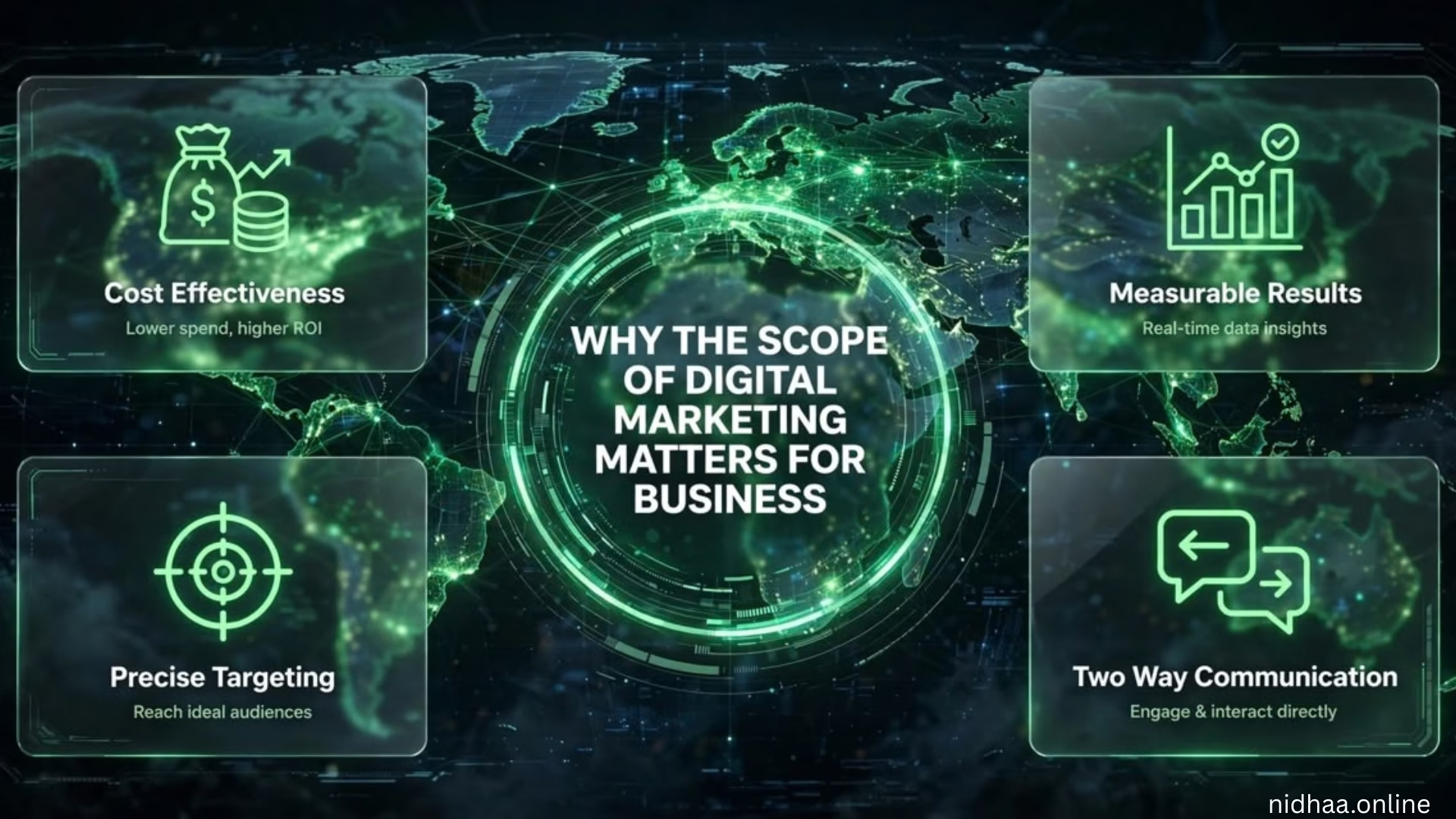
For businesses, understanding the scope of digital marketing isn’t just an academic exercise — it directly impacts survival and growth. Companies that fail to invest in digital channels risk losing visibility to competitors who do. Consider these practical benefits:
- Cost-effectiveness: Digital campaigns can be tailored to fit any budget, from a few dollars a day to enterprise-level spending.
- Measurable results: Every click, impression, and conversion can be tracked, allowing businesses to refine strategies quickly.
- Precise targeting: Ads can be shown to specific demographics, interests, locations, and even browsing behaviors.
- Two-way communication: Unlike traditional ads, digital marketing allows direct interaction with customers through comments, messages, and reviews.
These advantages explain why even small businesses with limited budgets are increasingly turning to digital strategies, further widening its reach across the entire business landscape, regardless of company size or industry.
Future Trends Expanding the Scope of Digital Marketing
The scope of digital marketing is far from static — it continues to evolve with new technologies and consumer behaviors. Some trends shaping its future include:
- Artificial Intelligence and Automation: AI-powered tools are streamlining everything from ad targeting to chatbot customer service, making campaigns smarter and more efficient.
- Voice Search Optimization: As smart speakers become common, optimizing content for voice queries is becoming a necessary skill.
- Video and Short-Form Content: Platforms like TikTok and YouTube Shorts have made short, engaging video content essential for brand visibility.
- Personalization at Scale: Advanced data analytics now allow brands to deliver highly personalized experiences to thousands of customers simultaneously.
digital campaigns. This is one of the most transformative aspects of this global reach: it removes the physical limitations that once restricted a business’s ability to grow beyond its local market.
Emerging markets in Asia, Africa, and Latin America are experiencing rapid growth in internet and smartphone usage, which is opening up entirely new regions that were previously underserved by traditional advertising. Businesses who create a digital presence early will have a big competitive edge as more individuals use the internet for the first time.
Why the Scope of Digital Marketing Matters for Businesses
For businesses, understanding the scope of digital marketing isn’t just an academic exercise — it directly impacts survival and growth. Companies that fail to invest in digital channels risk losing visibility to competitors who do. Consider these practical benefits:
-
- Cost-effectiveness: Digital campaigns can be tailored to fit any budget, from a few dollars a day to enterprise-level spending.
- Measurable results: Every click, impression, and conversion can be tracked, allowing businesses to refine strategies quickly.
- Precise targeting: Ads can be shown to specific demographics, interests, locations, and even browsing behaviors.
- Two-way communication: Unlike traditional ads, digital marketing allows direct interaction with customers through comments, messages, and reviews.
- These advantages explain why even small businesses with limited budgets are increasingly turning to digital strategies, further widening its reach across the entire business landscape, regardless of company size or industry.
Fugies that respect user consent while still delivering results.
Each of these trends adds a new layer of complexity and opportunity, reinforcing that the scope of digital marketing will only continue to grow in the years ahead. Professionals who stay updated with these changes will remain valuable assets to any organization.
How to Build a Career Within the Scope of Digital Marketing
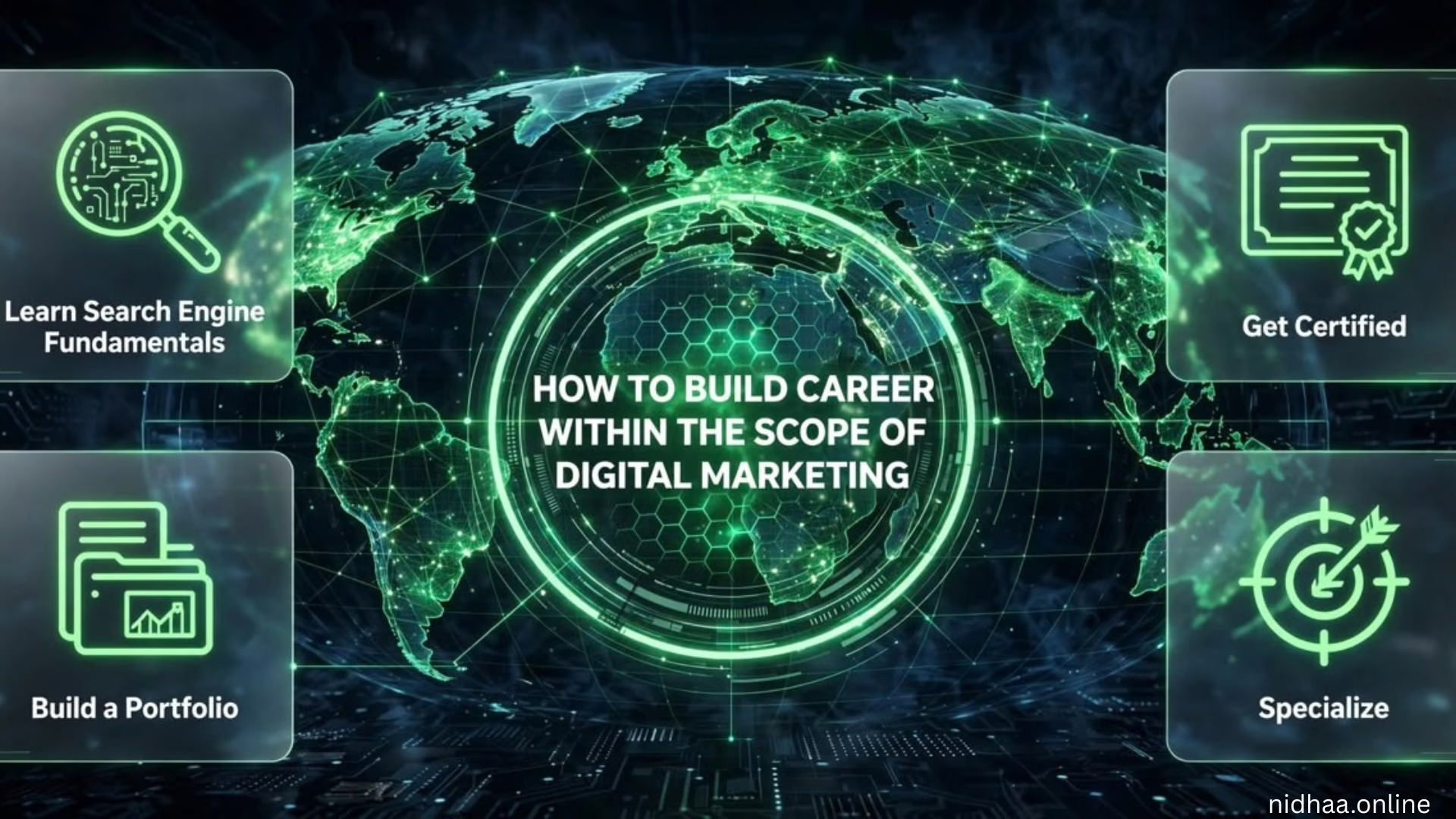
For those interested in entering this field, here are a few practical steps:
-
- Learn the fundamentals through free or paid online courses covering SEO, social media, and analytics.
- Get certified through recognized programs like Google Digital Garage, HubSpot Academy, or Meta Blueprint.
- Build a portfolio by running your own blog, social media page, or small campaigns for local businesses.
- Stay updated by following industry blogs, podcasts, and trend reports, since digital marketing changes rapidly.
- Specialize in one or two areas, such as SEO or paid advertising, while maintaining a general understanding of the whole field.
Taking these steps will help newcomers not only understand this discipline in theory but also gain the practical skills needed to thrive in it professionally, turning knowledge into a genuine, marketable career.
FAQs on the Scope of Digital Marketing
1.What is meant by “scope of digital marketing”?
It refers to how broad and far-reaching the field is — spanning industries, career paths, geographies, and business applications, all made possible by digital channels.
Is a career in digital marketing a good fit?Yes—it offers diverse roles (SEO, content, social media, analytics, PPC), relatively low barriers to entry, and strong demand across nearly every industry.
What skills do I need to start a career in digital marketing?
Basic knowledge of SEO, social media platforms, content creation, and analytics tools is a good starting point, along with certifications like Google Digital Garage or HubSpot Academy.
Which industries use digital marketing?
Virtually all of them—healthcare, education, real estate, finance, retail, and travel all rely on digital marketing to reach and retain customers.
Ture Trends Expanding the Scope of Digital Marketing
The scope of digital marketing is far from static — it continues to evolve with new technologies and consumer behaviors. Some trends shaping its future include:
-
-
- Artificial Intelligence and Automation: AI-powered tools are streamlining everything from ad targeting to chatbot customer service, making campaigns smarter and more efficient.
- Voice Search Optimization: As smart speakers become common, optimizing content for voice queries is becoming a necessary skill.
- Video and Short-Form Content: Platforms like TikTok and YouTube Shorts have made short, engaging video content essential for brand visibility.
- Personalization at Scale: Advanced data analytics now allow brands to deliver highly personalized experiences to thousands of customers simultaneously.
- Privacy-First Marketing: With growing concerns over data privacy, marketers must adapt strate
-
for more blogs…