
In the last two decades, the way businesses reach their customers has transformed completely. Traditional advertising channels like newspapers, television, and radio still exist, but they no longer hold the dominant position they once did. This shift is precisely why the importance of digital marketing has become one of the most discussed topics among entrepreneurs, marketers, and business owners across the globe. Whether you run a small local shop or a multinational corporation, understanding the importance of digital marketing is no longer optional — it is essential for survival and growth in a hyper-connected marketplace.
What Is Digital Marketing?
Before diving deeper into the importance of digital marketing, it helps to define what it actually means. Digital marketing refers to the promotion of products or services using digital channels such as search engines, social media, email, websites, and mobile applications. Unlike traditional marketing, digital marketing allows businesses to reach a highly targeted audience, measure results in real time, and adjust strategies instantly based on data. This flexibility is one of the core reasons why the importance of digital marketing continues to grow year after year.
Why the Importance of Digital Marketing Cannot Be Ignored
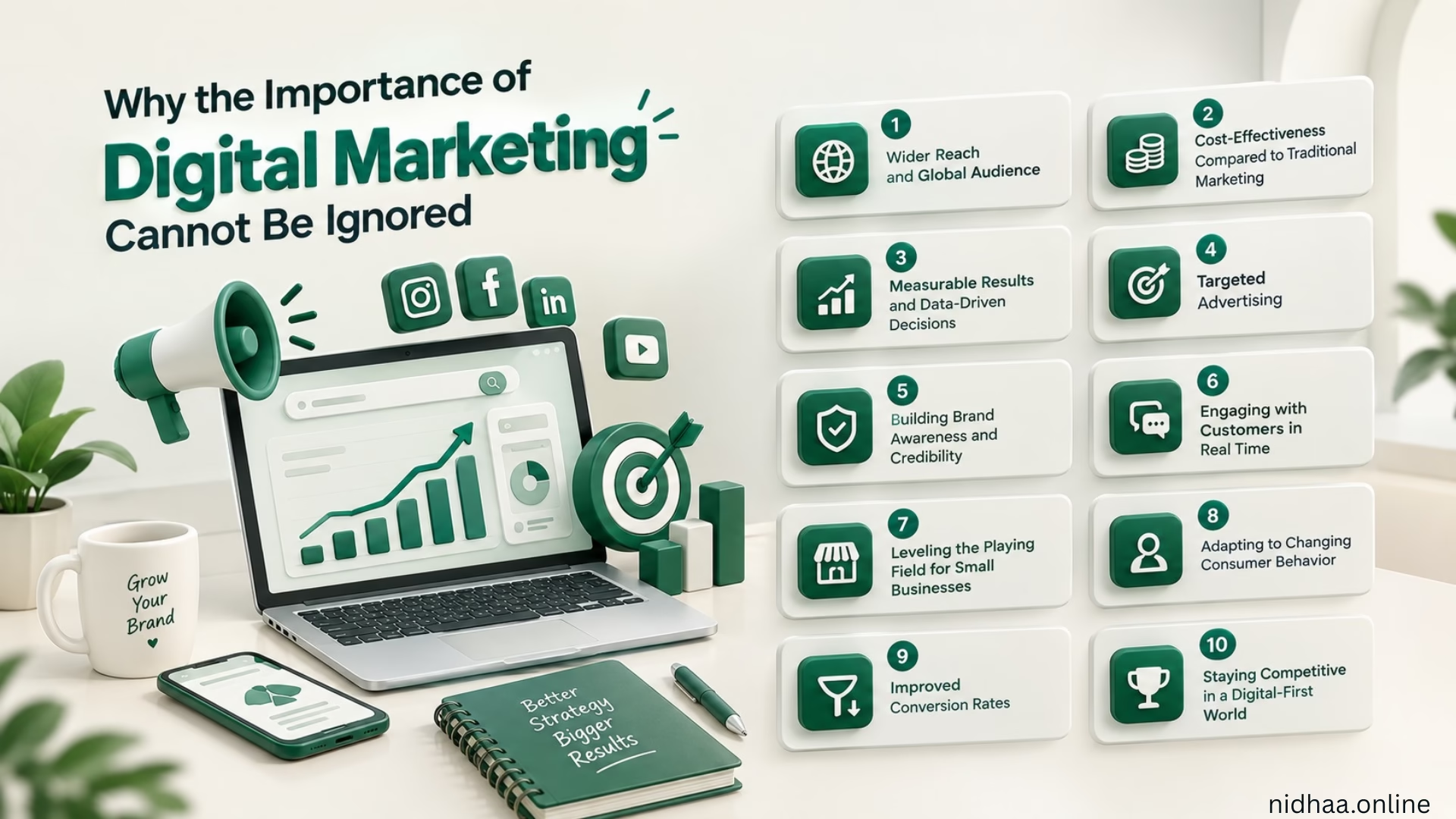
1. Wider Reach and Global Audience
One of the most obvious reasons behind the importance of digital marketing is the ability to reach a global audience. A small business in a rural town can now sell products to customers on the other side of the world through an online store. This level of reach was simply impossible with traditional marketing methods, which were often limited by geography and budget. The internet has erased these boundaries, and businesses that fail to recognize the importance of digital marketing risk being left behind while competitors expand into new markets effortlessly.
online. Through content marketing, social media engagement, and search engine optimization, companies can position themselves as authorities in their industry. Over time, this builds trthis aspect of the importance of digital marketing because it levels the playing field against larger, more established competitors.
2. Measurable Results and Data-Driven Decisions
Perhaps one of the most compelling arguments for the importance of digital marketing is the ability to track and measure every single campaign. Tools like Google Analytics, social media insights, and email marketing dashboards allow businesses to see exactly how many people viewed an ad, clicked on it, and made a purchase. This data-driven approach is a game-changer, and it further cements the importance of digital marketing as a strategic tool rather than a guessing game. Businesses can identify what works and what doesn’t, then refine their strategies accordingly.
3. Targeted Advertising
Traditional advertising often relies on broad demographics, hoping to catch the attention of a general audience. This strategy is completely reversed by digital marketing. This precision targeting is a huge factor in the importance of digital marketing, as it ensures that marketing budgets are spent efficiently, reaching people who are actually interested in what a business has to offer.
Platforms like Facebook, Instagram, and Google Ads allow marketers to target users based on age, location, interests, browsing behavior, and even purchase history.
4. Building Brand Awareness and Credibility
The importance of digital marketing also extends to brand building. A consistent and well-executed digital marketing strategy helps businesses establish a recognizable identity ust with consumers, and trust is one of the most valuable currencies i-n modern commerce. This is another dimension of the importance of digital marketing that many businesses underestimate until they see the tangible results of consistent branding efforts.
5. Engaging with Customers in Real Time
Customer engagement has evolved significantly, and this evolution highlights the importance of digital marketing even further. Social media platforms allow businesses to interact directly with their customers, answer questions, address complaints, and gather feedback almost instantly. This two-way communication was largely absent in traditional marketing, where messages were broadcast without much opportunity for dialogue. The importance of digital marketing in fostering these real-time relationships cannot be overstated, as it helps businesses build loyal 8. Adapting to Changing Consumer Behavior
Over the past ten years, there has been a significant shift in consumer behavior..
People now spend hours each day on their smartphones, browsing social media, reading reviews, and shopping online. This change in behavior is another testament to the importance of digital marketing, as businesses must meet their customers where they are. Ignoring this shift means missing out on countless opportunities to connect with potential buyers. Companies that embrace the importance of digital marketing are better positioned to adapt to these evolving habits and preferences.
6. Improved Conversion Rates
Digital marketing doesn’t just generate awareness; it also drives conversions. Through strategies like retargeting, personalized email campaigns, and optimized landing pages, businesses can guide potential customers through the sales funnel more effectively. The importance of digital marketing becomes evident when comparing conversion rates between digital campaigns and traditional advertising methods. Digital channels typically offer higher conversion rates because they allow for more personalized and timely interactions with prospective buyers.
10. Staying Competitive in a Digital-First WorldFinally, the importance of digital marketing is underscored by tcommunities around their brand.
7. Leveling the Playing Field for Small Businesses
Small and medium-sized enterprises often struggle to compete with large corporations that have massive marketing budgets. However, the importance of digital marketing lies in its ability to democratize advertising. A well-crafted social media campaign or a strong search engine optimization strategy can help a small business compete with much larger players, sometimes without spending a fortune.
This democratization is a key reason why understanding the importance of digital marketing has become essential for entrepreneurs who want to carve out a niche in competitive industries.
he simple fact that most consumers now search for products and services online before making a purchase decision. If a business doesn’t have a strong online presence, it risks becoming invisible to a significant portion of its target audience. Competitors who invest in search engine optimization, content marketing, and social media advertising will naturally capture more attention and market share. This competitive pressure is perhaps the most practical illustration of the importance of digital marketing in today’s economy.
Key Components of a Strong Digital Marketing Strategy
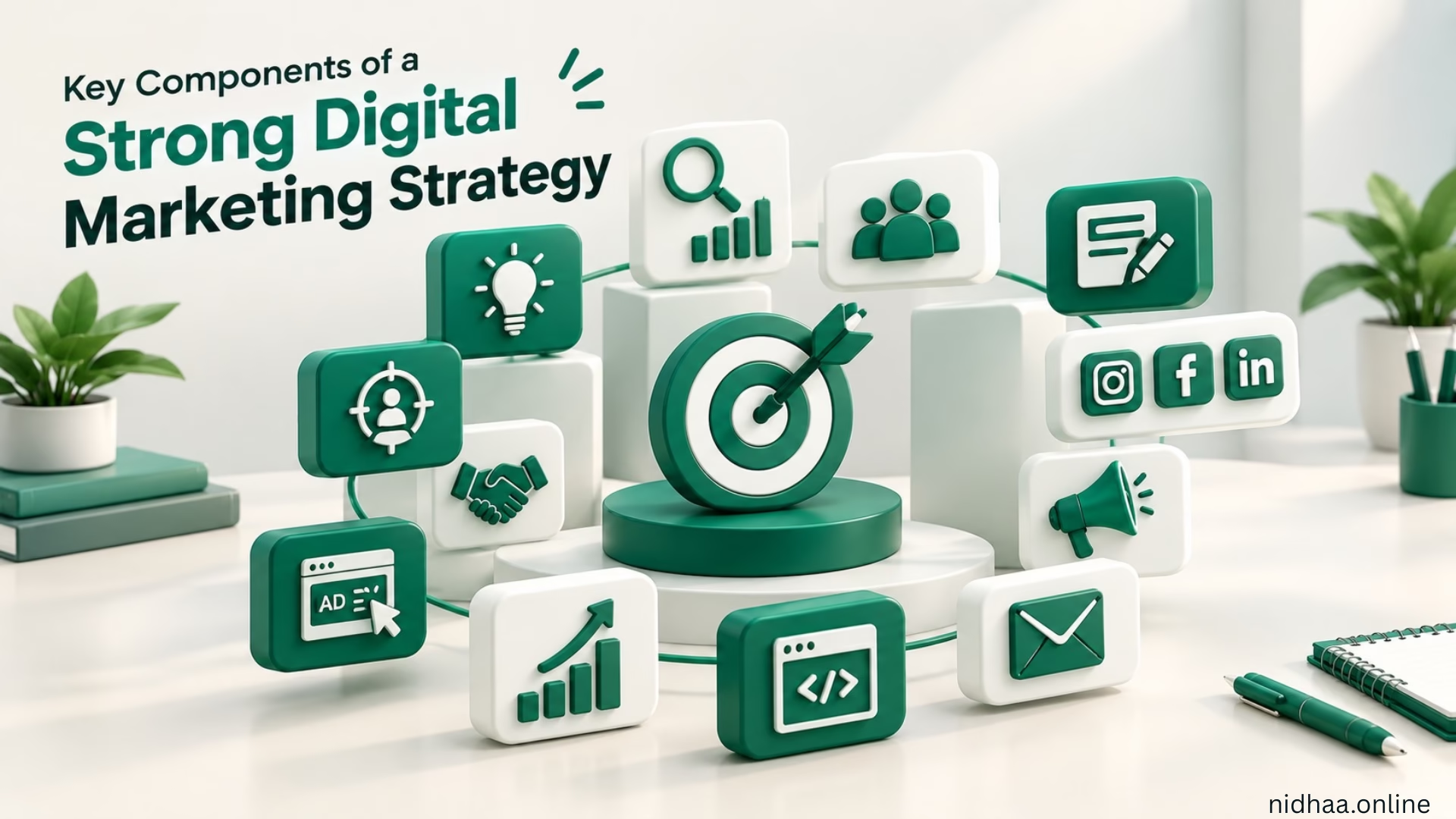
Understanding the importance of digital marketing is only the first step. Businesses also need to know which components make up an effective strategy:
Search Engine Optimization (SEO): Improving website visibility on search engines like Google through keyword research, technical optimization, and quality backlinks. A strong SEO foundation ensures that potential customers can find a business organically, without relying entirely on paid advertising.
- Content Marketing: Creating valuable content such as blogs, videos, podcasts, and infographics to attract and retain customers. Good content educates, entertains, or solves a problem, which builds trust long before a sale is ever made.
- Social Media Marketing: Building a presence on platforms like Instagram, Facebook, LinkedIn, and TikTok to engage audiences, share updates, and humanize a brand’s voice.
- Email Marketing: Nurturing leads and maintaining customer relationships through targeted email campaigns, newsletters, and automated drip sequences that guide prospects toward a purchase.
- Pay-Per-Click Advertising (PPC): Running paid ads on search engines and social media to drive immediate traffic and generate quick, measurable results while long-term strategies like SEO mature.
- Influencer Marketing: Partnering with influencers to reach new audiences authentically, leveraging the trust these creators have already built with their followers.
- Analytics and Reporting: Continuously monitoring performance metrics such as click-through rates, bounce rates, and customer acquisition costs to refine strategy over time.
Each of these components plays a role in reinforcing the importance of digital marketing as a holistic and interconnected strategy rather than a single tactic. When combined thoughtfully, they create a marketing ecosystem where each channel supports and amplifies the others.
Common Mistakes Businesses Make When Ignoring Digital Marketing

- Despite growing awareness, some businesses still underestimate the importance of digital marketing. Common mistakes include:
- Relying solely on traditional advertising without exploring digital alternatives.
- Neglecting mobile optimization, even though most users browse on smartphones.
- Ignoring analytics and data, which leads to uninformed decision-making.
- Inconsistent branding across different digital platforms.
6. Underestimating the value of content marketing as a long-term strategy.
Avoiding these mistakes requires a genuine commitment to understanding the importance of digital marketing and integrating it into every aspect of business operations.
Return on Investment: The Business Case

For decision-makers, numbers often speak louder than concepts, and this is where the importance of digital marketing becomes undeniable from a financial standpoint. Because digital campaigns are trackable down to the individual click, businesses can calculate exact returns on their advertising spend. A poorly performing campaign can be paused or adjusted within hours, rather than waiting weeks or months to see if a print ad or billboard generated any interest at all. This agility reduces wasted spend and allows marketing budgets to be reallocated toward channels that are actually delivering results.
Over time, this efficiency compounds, giving businesses that prioritize digital strategies a meaningful financial advantage over competitors still relying primarily on offline methods. Investors and stakeholders increasingly expect this level of accountability, which is yet another reason the importance of digital marketing has moved from the marketing department into boardroom conversations about overall business strategy.
The Future Outlook

Looking ahead, the importance of digital marketing is only expected to increase. Emerging technologies like artificial intelligence, voice search, and augmented reality are creating new opportunities for businesses to connect with consumers in innovative ways. AI-powered tools can now predict customer behavior, automate personalized recommendations, and even generate creative assets, making campaigns smarter and more efficient than ever before. Voice search is changing how people look for information, pushing businesses to rethink their SEOstrategies around conversational queries.
Meanwhile, augmented and virtual reality are opening doors to immersive shopping experiences that were unimaginable just a few years ago. Marketers who stay ahead of these trends and continue to invest in digital strategies will maintain a competitive edge, while those who hesitate risk falling behind more agile competitors. As more consumers move their shopping, research, and social interactions online, the importance of digital marketing will remain a central pillar of business success for years to come, shaping how brands are discovered, evaluated, and trusted.
Here’s an FAQ section you can add to the end of the article:
FAQs on Digital Marketing
1.What is digital marketing in simple terms?
It’s promoting products or services through online channels—search engines, social media, email, and websites—rather than traditional media like TV or print.
2.What makes digital marketing crucial for small companies?
It’s affordable and scalable, letting small businesses compete with larger companies through targeted ads, SEO, and social media without needing a massive budget.
3.What distinguishes traditional marketing from digital marketing?
Digital marketing is trackable, adjustable in real time, and highly targeted, while traditional marketing (TV, print, radio) is broader and harder to measure.
4.Which digital marketing strategies are the most common?
The essential elements include influencer marketing, PPC advertising, email marketing, social media marketing, SEO, and content marketing.
5. How do companies assess the effectiveness of their digital marketing campaigns?
Through analytics tools that track metrics like click-through rates, conversion rates, website traffic, and customer acquisition costs.
6. Is traditional advertising more expensive than digital marketing?
Generally yes—channels like social media ads and email marketing can be tailored to almost any budget, unlike expensive TV or print placements.
7. What part does SEO play in online advertising?
SEO improves a website’s visibility on search engines, helping potential customers find a business organically without relying solely on paid ads.
8. Can digital marketing work for any industry?
Yes—nearly every industry benefits, since most consumers now research products and services online before buying.
Want me to also insert this directly into a formatted document (Word/PDF) or expand any of these answers?
Conclusion
In summary, the importance of digital marketing cannot be overstated in today’s fast-paced, technology-driven world. From cost-effectiveness and measurable results to targeted advertising and improved customer engagement, digital marketing offers advantages that traditional methods simply cannot match. It empowers small businesses to compete with industry giants, gives brands the tools to build lasting relationships with customers, and provides the data needed to make smarter decisions at every stage of the customer journey. Businesses of all sizes, from local startups to global enterprises, must recognize the importance of digital marketing and invest in building a robust online presence.
Those who do will find themselves better equipped to attract customers, build brand loyalty, and ultimately drive sustainable growth in an increasingly competitive marketplace. The businesses that thrive in the coming decade will be the ones that treat digital marketing not as an optional add-on, but as a core pillar of their overall growth strategy.
for more blogs…..