
The way brands connect with customers keeps changing, and keeping up with digital marketing trends has become essential for anyone who wants to stay competitive. From artificial intelligence to voice search, the landscape shifts faster than most marketers can track. In this article, we’ll walk through the most important digital marketing trends shaping strategy this year, and explain why paying attention to them can make or break a brand’s online presence.
Why Following Digital Marketing Trends Matters
Every year, new tools, platforms, and consumer behaviors emerge, and businesses that ignore digital marketing trendsrisk falling behind their competitors. Staying informed isn’t just about chasing the latest fad — it’s about understanding how your audience behaves and adapting your approach accordingly. Companies that consistently study digital marketing trends tend to make smarter budget decisions, build stronger customer relationships, and see better returns on their marketing spend.
Marketing has always been about meeting people where they are. Today, that means being present across social platforms, search engines, email inboxes, and even voice assistants. Understanding digital marketing trends helps businesses figure out exactly where their audience spends time and how to engage them effectively in those spaces.
It’s also worth noting that not every trend applies equally to every industry. A B2B software company and a local bakery will care about very different digital marketing trends — one might focus heavily on LinkedIn thought leadership and account-based marketing, while the other benefits more from local SEO and visual storytelling on social media. The key is learning to filter broad trends through the lens of your specific audience and goals, rather than applying every new tactic indiscriminately. Businesses that take this thoughtful approach tend to get far more value out of tracking digital marketing trends than those who simply copy what competitors are doing.
AI-Powered Personalization Leads the Way
One of the most significant digital marketing trends right now is the widespread use of artificial intelligence for personalization. Brands are using AI to analyze customer data and deliver tailored content, product recommendations, and messaging at scale. This shift represents one of the biggest digital marketing trends because it allows even small businesses to offer the kind of one-to-one experience that used to require massive teams.
AI tools can now predict what a customer wants before they even search for it, using browsing history, purchase patterns, and engagement data. This level of personalization is quickly becoming a baseline expectation rather than a luxury, which is why marketers who ignore this trend among current digital marketing trends may struggle to keep customers engaged.
Video Content Continues to Dominate
Short-form video remains one of the most powerful digital marketing trends influencing how brands tell their stories. Platforms built around quick, engaging clips have trained audiences to expect bite-sized, visually compelling content. Businesses that haven’t yet embraced video as part of their strategy are missing out on one of the clearest digital marketing trends of the decade.
Beyond short-form clips, live streaming and interactive video are also gaining traction. In order to establish genuine connections with their audience, brands are holding live product demos, Q&A sessions, and behind-the-scenes content.. This blend of authenticity and immediacy is a core theme running through many of today’s digital marketing trends.
Voice Search Optimization
As smart speakers and voice assistants become household staples, voice search optimization has become one of the more technical digital marketing trends to master. People phrase voice queries differently than typed searches — more conversationally, often as full questions. Marketers who adjust their SEO strategy to reflect this shift are ahead of the curve when it comes to emerging digital marketing trends.
Optimizing for voice search means focusing on natural language, local intent, and featured snippets. Since many voice searches are location-based (“find a coffee shop near me”), local SEO has become intertwined with this particular trend among digital marketing trends worth watching closely.
The Rise of Privacy-First Marketing
With increasing regulations around data privacy and the phasing out of third-party cookies, privacy-first marketing has emerged as one of the defining digital marketing trends of recent years. Brands now need to rely more heavily on first-party data — information customers willingly share directly with a business — rather than tracking users across the web.
This shift has pushed marketers to get creative with data collection, using loyalty programs, gated content, and interactive quizzes to gather insights ethically. Adapting to this reality is no longer optional; it’s one of the digital marketing trendsthat directly impacts compliance and customer trust.
Influencer Marketing Evolves
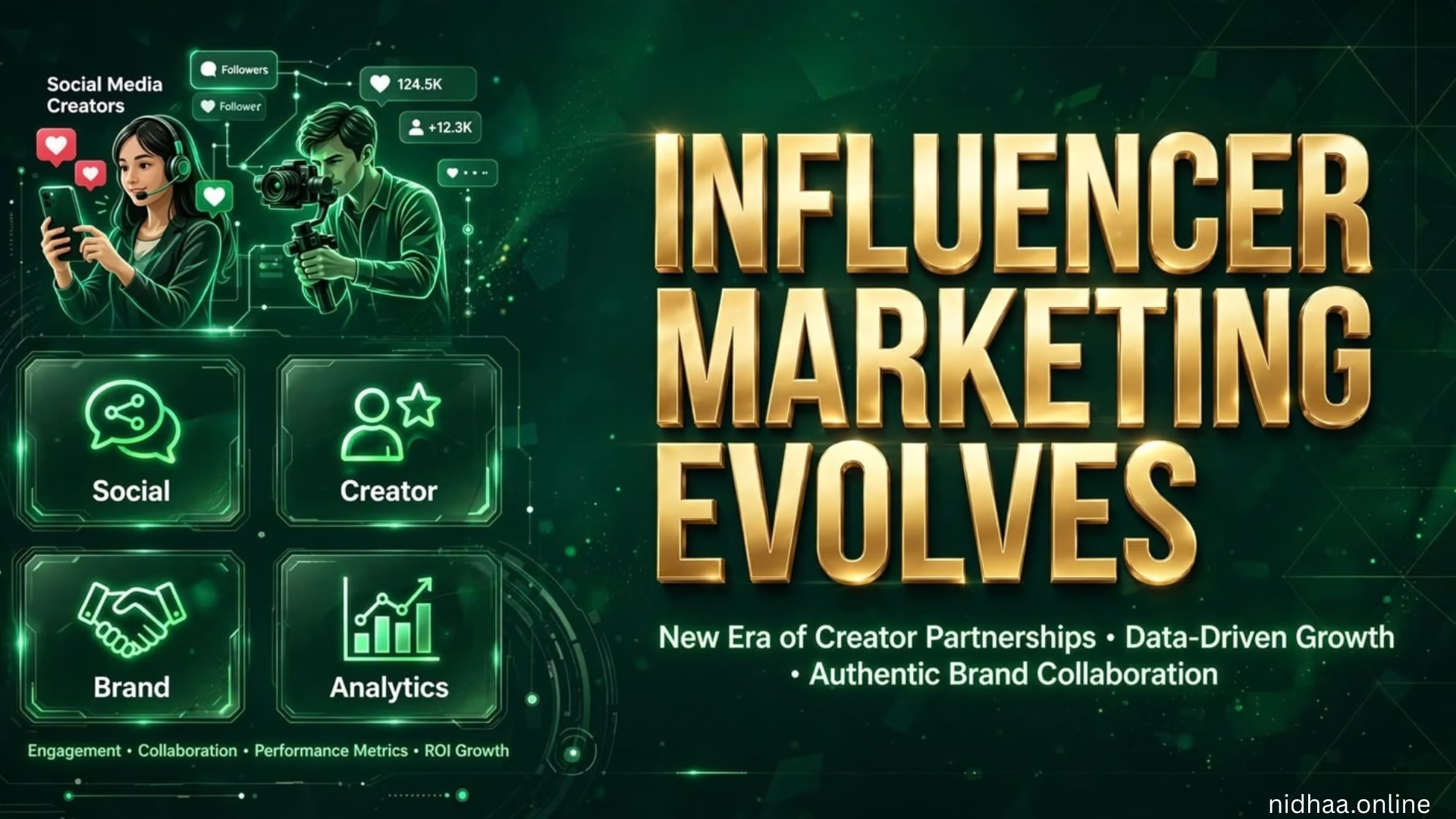
Influencer marketing isn’t new, but the way it’s being executed has changed significantly, making it one of the more dynamic digital marketing trends today. Micro and nano influencers, who have smaller but highly engaged audiences, are proving more effective for many brands than working with mega-celebrities. This shift toward authenticity is reshaping how companies think about influencer partnerships.
Long-term collaborations rather than one-off sponsored posts are also becoming standard practice, reflecting a broader move toward genuine brand ambassadorship. This evolution stands out among digital marketing trends because it prioritizes trust and relatability over sheer reach.
Social Commerce Keeps Growing
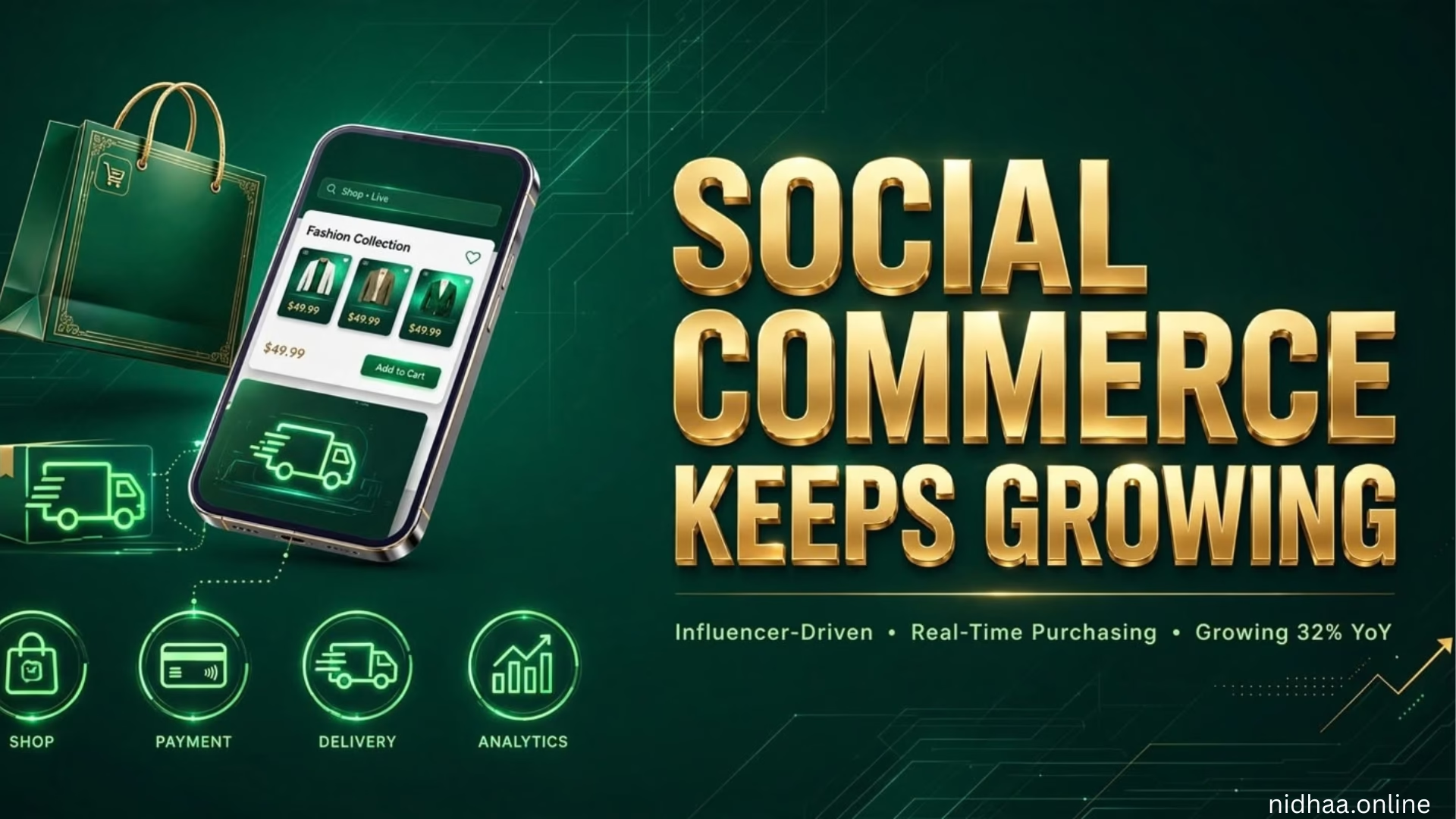
Shopping directly through social media platforms has exploded in popularity, making social commerce one of the most commercially significant digital marketing trends for retailers. Instead of directing users to an external website, brands can now let customers browse, select, and purchase products without ever leaving the app.
This seamless shopping experience reduces friction and shortens the customer journey, which explains why social commerce continues to rank among the top digital marketing trends for e-commerce businesses. Features like shoppable posts, in-app checkout, and live shopping events are becoming standard tools in a modern marketer’s toolkit.
Interactive and Immersive Content
Static content is losing ground to interactive experiences, another one of the notable digital marketing trends gaining momentum. Polls, quizzes, augmented reality filters, and 360-degree product views invite users to engage rather than passively consume. This kind of engagement tends to boost time spent with a brand and improve recall.
Augmented reality, in particular, is opening new doors for industries like fashion, furniture, and beauty, where customers can virtually “try on” or “place” products before buying. As technology becomes more accessible, immersive content is expected to remain one of the fastest-growing digital marketing trends in the near future.
Sustainability and Purpose-Driven Marketing
Consumers increasingly want to support brands that align with their values, which has turned sustainability messaging into one of the more values-driven digital marketing trends. Companies are being more transparent about their environmental impact, sourcing practices, and social initiatives as part of their overall marketing strategy.This isn’t just a feel-good addition to a campaign — it directly affects purchasing decisions, especially among younger consumers. Brands that authentically incorporate purpose into their messaging are finding it easier to build loyalty, which is why this remains a meaningful thread among current digital marketing trends.
Marketing Automation and Chatbots
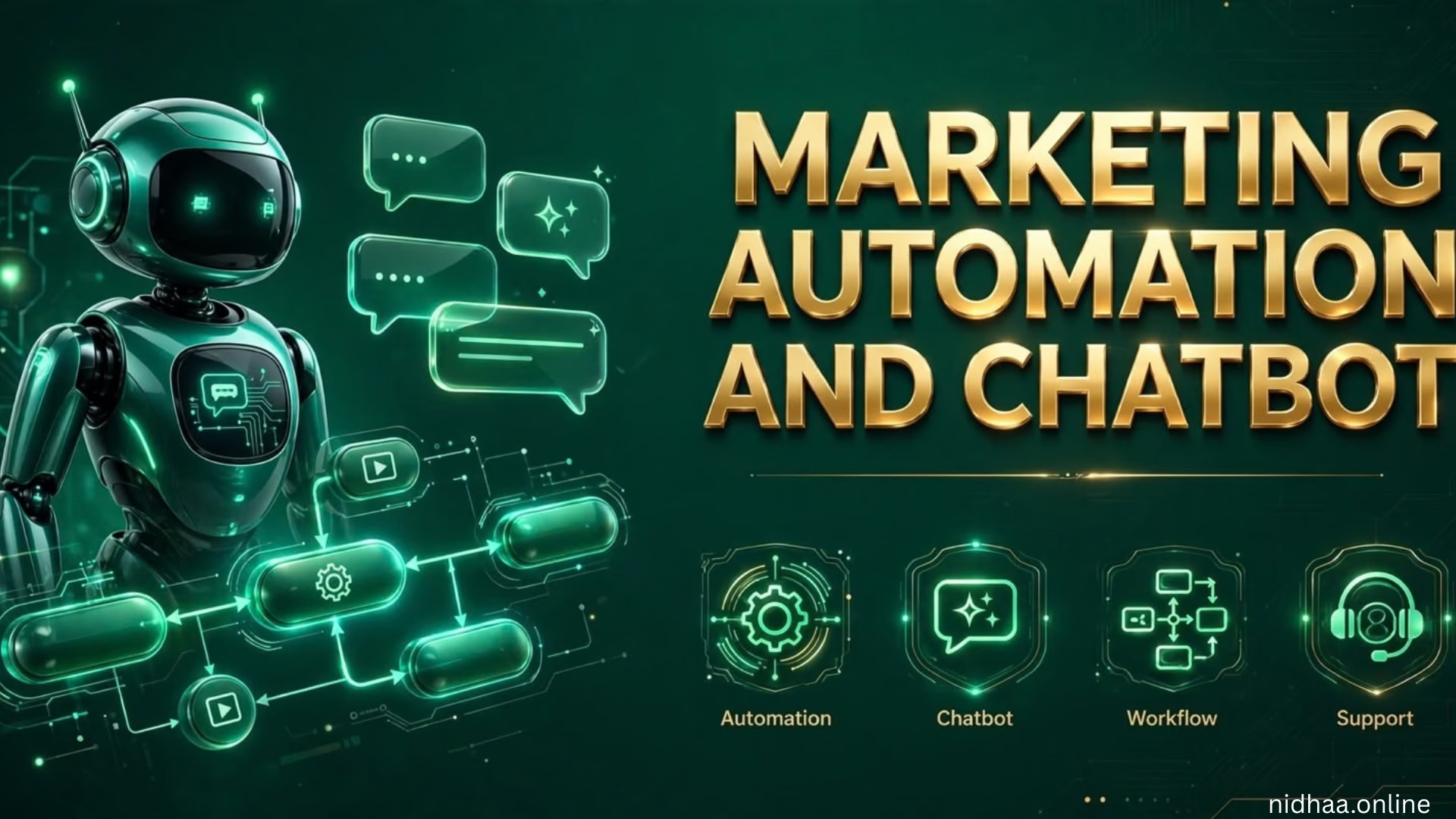
Automation continues to streamline marketing operations, and it’s one of the most practical digital marketing trends for businesses looking to save time and resources. From automated email sequences to AI-powered chatbots that handle customer inquiries instantly, automation tools are freeing up marketing teams to focus on strategy rather than repetitive tasks.
Chatbots, in particular, have become more sophisticated, capable of handling complex customer service interactions and even guiding users through the sales funnel. This growing reliance on smart automation reflects how far digital marketing trends have come from simple scheduled email blasts.
Data-Driven Decision Making
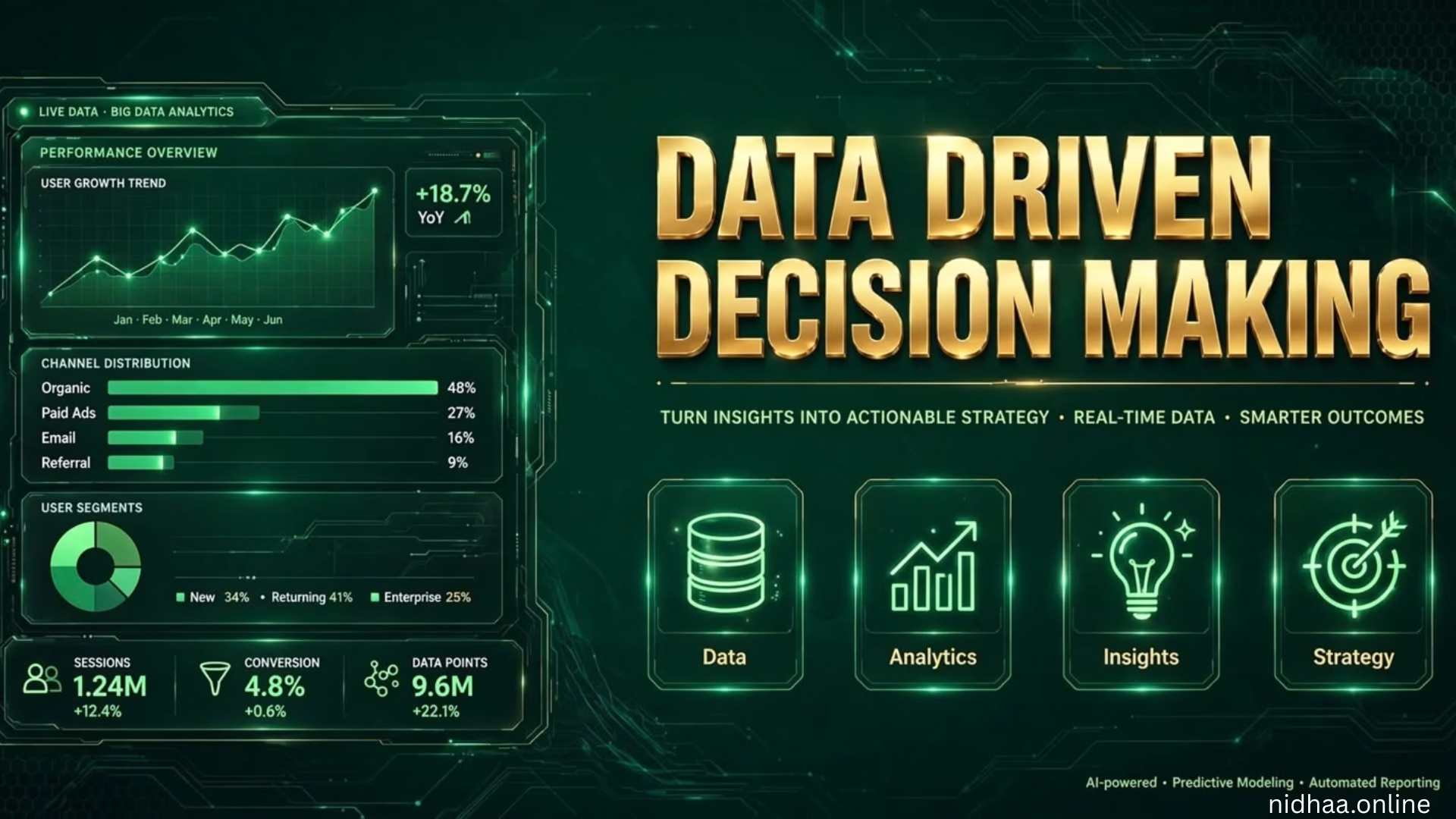
Analytics have always mattered in marketing, but the sophistication of today’s data tools makes this one of the more foundational digital marketing trends. Marketers now have access to granular insights about customer behavior, campaign performance, and conversion paths, allowing for real-time adjustments rather than waiting until a campaign ends to evaluate results.
This data-driven approach reduces guesswork and helps allocate budgets more efficiently. Understanding how to interpret and act on this data has become a critical skill, reinforcing why data literacy is central to modern digital marketing trends.
Tools that combine web analytics, CRM data, and social media performance into a single dashboard are making it easier for teams of any size to spot patterns quickly. Instead of waiting for a quarterly report, marketers can now catch an underperforming ad set within hours and reallocate spend toward what’s actually working. This kind of agility is quickly becoming the norm, and it’s a big reason why data-driven thinking sits at the heart of so many other digital marketing trends on this list — from AI personalization to social commerce, nearly everything depends on having clean, actionable data to work from.
Mobile-First Everything
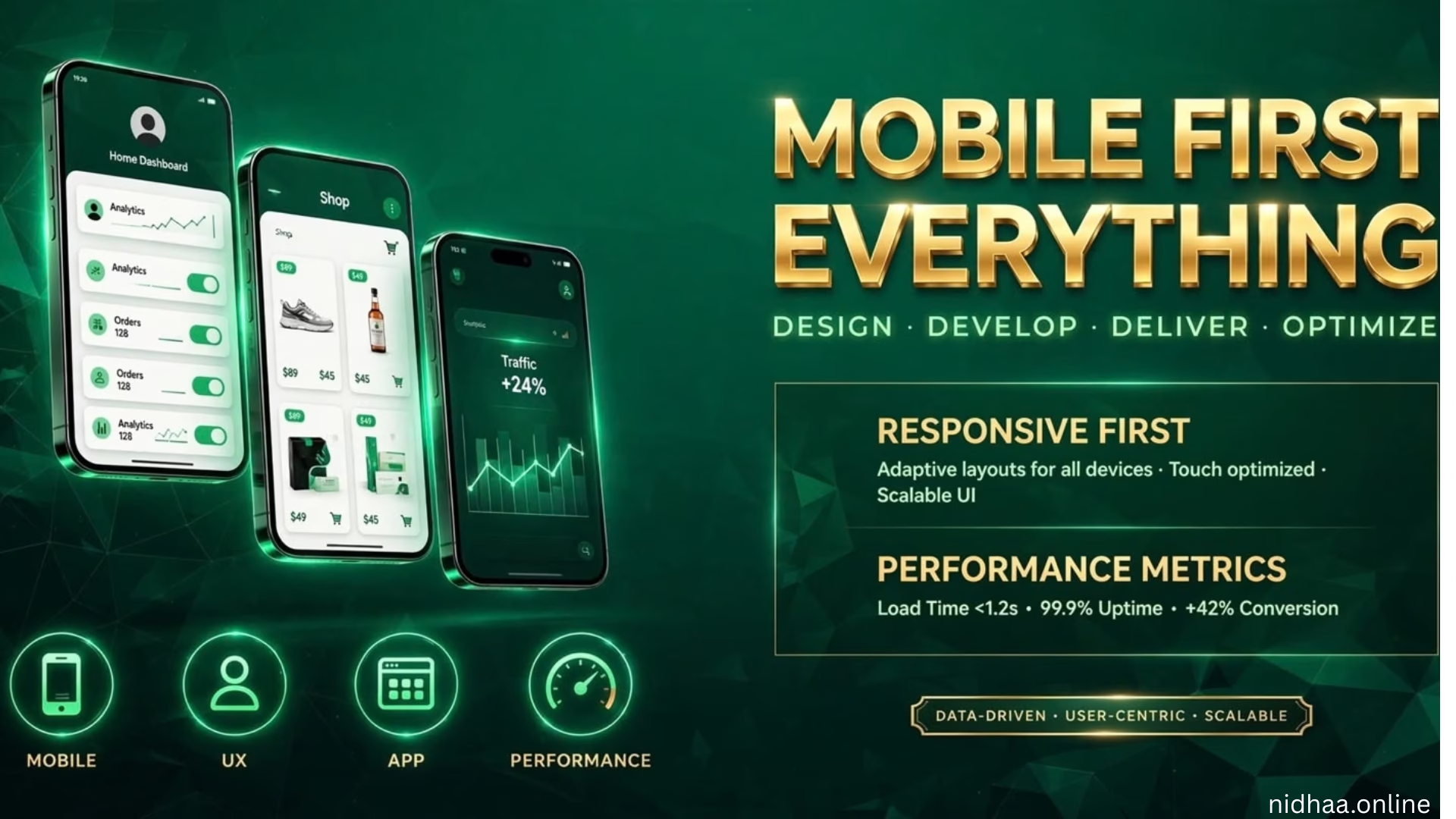
With the majority of web traffic now coming from smartphones, mobile-first design has become a non-negotiable part of any serious discussion about digital marketing trends. Websites, emails, and ads that aren’t optimized for smaller screens risk losing visitors within seconds. Page load speed, thumb-friendly navigation, and simplified checkout processes are no longer nice-to-haves — they’re baseline requirements.
Search engines have also shifted to mobile-first indexing, meaning the mobile version of a site is what gets evaluated for ranking purposes. This technical detail alone has pushed mobile optimization to the top of the priority list for anyone serious about following current digital marketing trends and maintaining strong search visibility.
How to Keep Up With Digital Marketing Trends
- Staying current with digital marketing trends doesn’t mean chasing every new tool or platform that appears. Instead, it means understanding your audience deeply enough to know which trends genuinely apply to your business. Here are a few practical ways to stay informed:
Follow industry publications and thought leaders who regularly analyze shifts in consumer behavior and technology. - Test new formats on a small scale before committing significant budget, allowing you to measure impact without major risk.
- Listen to your customers directly through surveys, reviews, and social listening tools to understand what they actually want.
- Invest in ongoing training for your marketing team so they can adapt tools and strategies as the landscape evolves.
- Review your analytics regularly to see which channels and tactics are delivering results, rather than relying on assumptions.
FAQs on Digital Marketing Trends
1 What are the biggest digital marketing trends in 2026?
AI-powered personalization, short-form video, voice search optimization, privacy-first marketing, and social commerce are among the most influential trends this year.
2. How is AI changing digital marketing?
AI helps brands analyze customer data to deliver personalized content, product recommendations, and messaging at scale, making one-to-one experiences achievable even for small businesses.
3. Why is privacy-first marketing important now?
With stricter data regulations and the phasing out of third-party cookies, brands must rely more on first-party data collected directly and ethically from customers.
4 . What is social commerce?
It’s the ability to browse, select, and purchase products directly within a social media app, without being redirected to an external website.
5. Do all businesses need to follow the same digital marketing trends?
No—relevance depends on industry and audience. A B2B company may prioritize
LinkedIn and account-based marketing, while a local business benefits more from local SEO and visual content.
- How can a business optimize for voice search?
Focus on natural, conversational language, local intent, and content structured to appear in featured snippets, since voice queries are typically phrased as full questions. - Why does mobile-first design matter for marketing?
Most web traffic comes from smartphones, and search engines use mobile-first indexing, so a poor mobile experience directly hurts both user engagement and search rankings. - How should a business decide which trends to adopt?
Test new formats on a small scale, monitor analytics closely, and prioritize trends that align with what your specific audience actually responds to, rather than adopting everything at once.
Want this formatted into a document, or expanded with more detail on any specific trend?
Final Thoughts
The pace of change in the marketing world shows no signs of slowing down, which makes staying current with digital marketing trends more important than ever. From AI-driven personalization and voice search optimization to social commerce and purpose-driven branding, the strategies that succeed today are the ones that combine technology with genuine human connection.
Businesses that treat these shifts as opportunities rather than obstacles will be best positioned to thrive. Whether you’re a small business owner or part of a large marketing team, keeping a close eye on digital marketing trends will help you make smarter decisions, connect more meaningfully with your audience, and build a brand that stands the test of time.
for more blog click here…